Strategic Implementation of Retro Vintage Christmas Card Design for Brand and Personal Impact
In an era dominated by sleek minimalism and digital immediacy, the deliberate choice to utilize a Retro Vintage Christmas Card Design represents more than an aesthetic preference; it is a strategic communication decision. For entrepreneurs, marketers, and creators operating between the ages of 20 and 50, the holiday season offers a critical window to reinforce brand identity, deepen customer relationships, and stand out in a saturated market. The resurgence of mid-century modern aesthetics, hand-drawn illustrations, and warm, muted color palettes provides a tangible connection to nostalgia—a psychological lever that can significantly influence perception and engagement.
When you integrate a Retro Vintage Christmas Card Design into your workflow, you are not merely selecting a template; you are curating an experience. This approach requires thoughtful planning regarding your audience's expectations, your brand's positioning, and the specific outcomes you aim to achieve. Whether the goal is to drive foot traffic to a local boutique, enhance client retention for a consultancy, or create memorable keepsakes for family, the utility of vintage styling lies in its ability to convey warmth, authenticity, and timelessness.
The Strategic Value of Nostalgia in Holiday Communication
Nostalgia is a powerful emotional driver. In marketing and personal branding, invoking a sense of "Christmas past" through a Retro Vintage Christmas Card Design can lower defensive barriers and foster immediate trust. Consumers and recipients often associate vintage aesthetics with quality, craftsmanship, and enduring values—traits that many modern businesses strive to project but struggle to articulate.
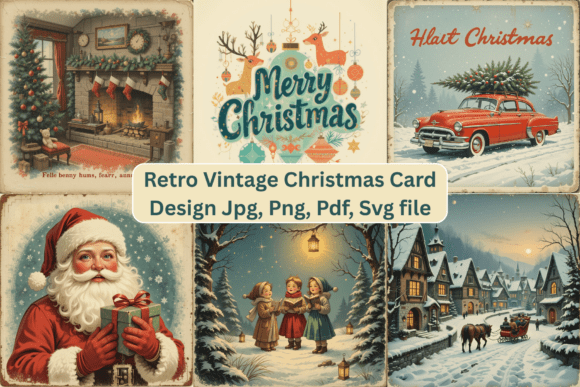
Consider the psychological impact of the visual elements typically found in these designs: hand-drawn typography, textured paper effects, and classic iconography like holly, bells, and retro automobiles. These elements signal effort and intentionality. In a digital landscape where generic, mass-produced e-cards are the norm, a physical or high-quality digital card featuring a Retro Vintage Christmas Card Design commands attention. It suggests that the sender values tradition and has invested time in selecting a medium that resonates on a human level.
For small business owners and freelancers, this distinction is vital. Your holiday correspondence is an extension of your operational brand. If your brand promise revolves around personalized service, heritage, or artisanal quality, a modern, sterile design may create cognitive dissonance. Conversely, a well-executed vintage design aligns your visual communication with your core value proposition, reinforcing your market position without saying a word.
Planning and Positioning: When to Deploy Vintage Aesthetics
Adopting a Retro Vintage Christmas Card Design should never be a random act of decoration. It must be grounded in a clear understanding of your objectives. Before committing to a specific style, evaluate the following strategic factors:
- Brand Alignment: Does the vintage aesthetic complement your existing brand guidelines? If your brand is known for cutting-edge technology or futuristic innovation, a 1950s-style card might confuse your audience unless used ironically or to highlight a specific "heritage" campaign.
- Audience Demographics: While nostalgia appeals broadly, different generations resonate with different eras. A "Retro" design for a millennial audience might lean towards 80s neon or 90s grunge, whereas a boomer demographic may connect more deeply with 1950s and 60s illustrative styles. Ensure the specific "vintage" era matches your recipient's memories.
- Medium and Distribution: Are these cards intended for print, social media, or email? A Retro Vintage Christmas Card Design often relies on texture and subtle color gradients that may not translate well on low-resolution screens. High-quality print applications, such as direct mail or premium invitations, allow the full richness of the design to shine.
Strategic planning also involves timing. Vintage designs often evoke a slower, more deliberate pace. Sending these cards earlier in the season can capitalize on the longing for a "slower Christmas," whereas sending them at the last minute might undermine the message of thoughtfulness.
Practical Applications Across Industries and Use Cases
The versatility of a Retro Vintage Christmas Card Design allows it to serve multiple functions across various sectors. Here is how different professionals can leverage this asset intentionally:
- Small Business Retailers: Use vintage cards as exclusive coupons or invitations to in-store events. The tactile nature of the design encourages recipients to keep the card, increasing the likelihood of redemption. Include a QR code styled to match the retro theme to bridge the gap between physical and digital engagement.
- Service Providers and Consultants: For lawyers, accountants, or coaches, a vintage card serves as a sophisticated touchpoint. It avoids the overt salesiness of promotional materials while keeping your name top-of-mind. The elegance of the design reflects professionalism and stability.
- Educators and Content Creators: Teachers and bloggers can use these designs for classroom parties or community newsletters. The warm, inviting style fosters a sense of community and belonging, which is essential for audience building.
- Product Designers and Artists: Incorporate the Retro Vintage Christmas Card Design into limited edition packaging or merchandise. This creates a cohesive holiday collection that feels curated rather than commoditized.
In each scenario, the design acts as a vehicle for your message. The key is to ensure the copy within the card matches the tone of the visuals. A whimsical, hand-drawn Santa pairs best with warm, conversational language, while a structured, mid-century geometric design may suit more formal, concise greetings.
Risk Management: Avoiding Cliché and Misalignment
While the benefits are significant, there are risks associated with misusing a Retro Vintage Christmas Card Design. The primary danger lies in inauthenticity. If your brand has no historical connection to the past, or if the vintage style feels forced, it can come across as gimmicky. Audiences are adept at spotting trends used solely for profit without genuine sentiment.
Another risk is visual clutter. Vintage designs often feature intricate details, borders, and layered textures. Without careful layout management, important information—such as event dates, website URLs, or personal messages—can get lost. Always prioritize readability. Use high-contrast fonts for critical data and ensure that the decorative elements frame the content rather than overpower it.
Furthermore, consider the production costs. To do justice to a Retro Vintage Christmas Card Design, you often need higher quality paper stocks that can handle rich ink coverage and textured finishes. Skimping on print quality can make a sophisticated design look cheap and muddy, negating the intended premium effect. Budget accordingly to ensure the final output matches the design's potential.
Execution Guidelines for Maximum Impact
To derive long-term value from your holiday communications, approach the creation process with discipline. Start by defining your core message. What do you want the recipient to feel or do after viewing the card? Once the objective is clear, select a Retro Vintage Christmas Card Design that supports that goal.
If you are customizing a template for commercial use, pay attention to licensing agreements. Many high-quality vintage assets are available for both personal and commercial projects, but verifying usage rights prevents legal complications down the line. Customization should go beyond simply swapping names; consider adjusting color palettes to align strictly with your brand colors while maintaining the vintage vibe. This hybrid approach ensures brand consistency while leveraging the emotional appeal of the retro style.
Finally, measure the results. If using digital versions, track open rates and click-throughs. For physical cards, use unique promo codes or dedicated landing pages to gauge response rates. Analyze this data to understand how the vintage aesthetic influenced engagement compared to previous years or different design styles. This feedback loop turns a creative choice into a data-driven strategy for future campaigns.
Conclusion: Intentionality as the Key to Success
The decision to use a Retro Vintage Christmas Card Design is a testament to the power of intentional communication. In a world of fleeting digital interactions, offering something that feels timeless and crafted creates a lasting impression. By aligning this aesthetic with clear business goals, understanding your audience's psychological triggers, and executing with high standards of quality, you transform a simple holiday greeting into a strategic asset.
Whether you are a solo entrepreneur looking to deepen client loyalty or a marketing director aiming to refresh a seasonal campaign, the thoughtful application of vintage charm can yield substantial returns. It reminds us that behind every transaction and interaction, there is a human desire for connection, warmth, and a touch of magic. Let your Retro Vintage Christmas Card Design be the bridge that delivers that message effectively and elegantly.